

A brief roundup of United Nations political and peacebuilding events and developments globally.
ASG Khiari warns of escalating fighting and rising civilian toll in Ukraine
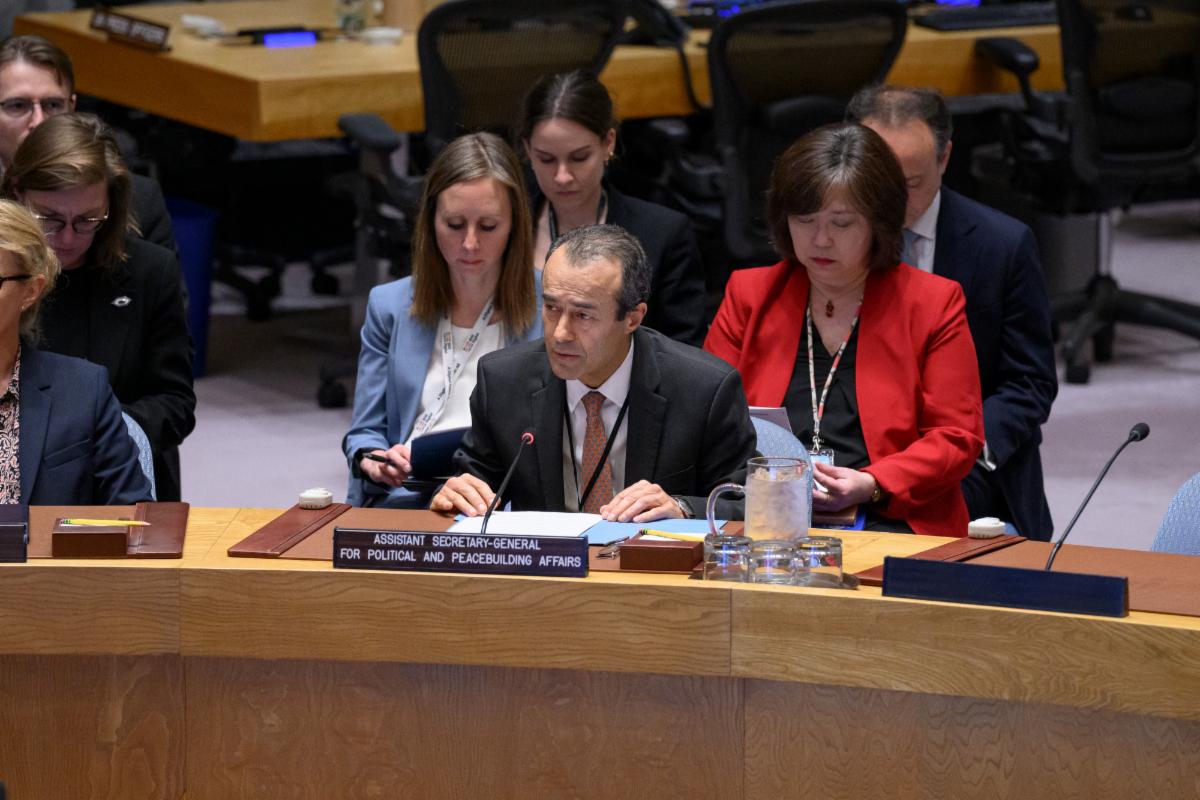
On 20 April, Khaled Khiari, Assistant Secretary-General (ASG) for the Middle East, Europe, the Americas, Asia and the Pacific, briefed the Security Council on developments in Ukraine. He noted that a temporary Easter truce announced from 11 to 12 April was not respected, with hostilities continuing and attacks escalating thereafter, including multiple nights of aerial strikes across the country. He stressed that the ever-increasing loss of civilian life remains of greatest concern, with at least 211 civilians killed and 1,206 injured last month alone. ASG Khiari reiterated that attacks on civilians and civilian infrastructure are prohibited under international humanitarian law and must stop immediately, and called for sustained diplomatic efforts towards a full, immediate and unconditional ceasefire.
SRSG Jenča underscores progress and persisting challenges in Colombia’s peace process
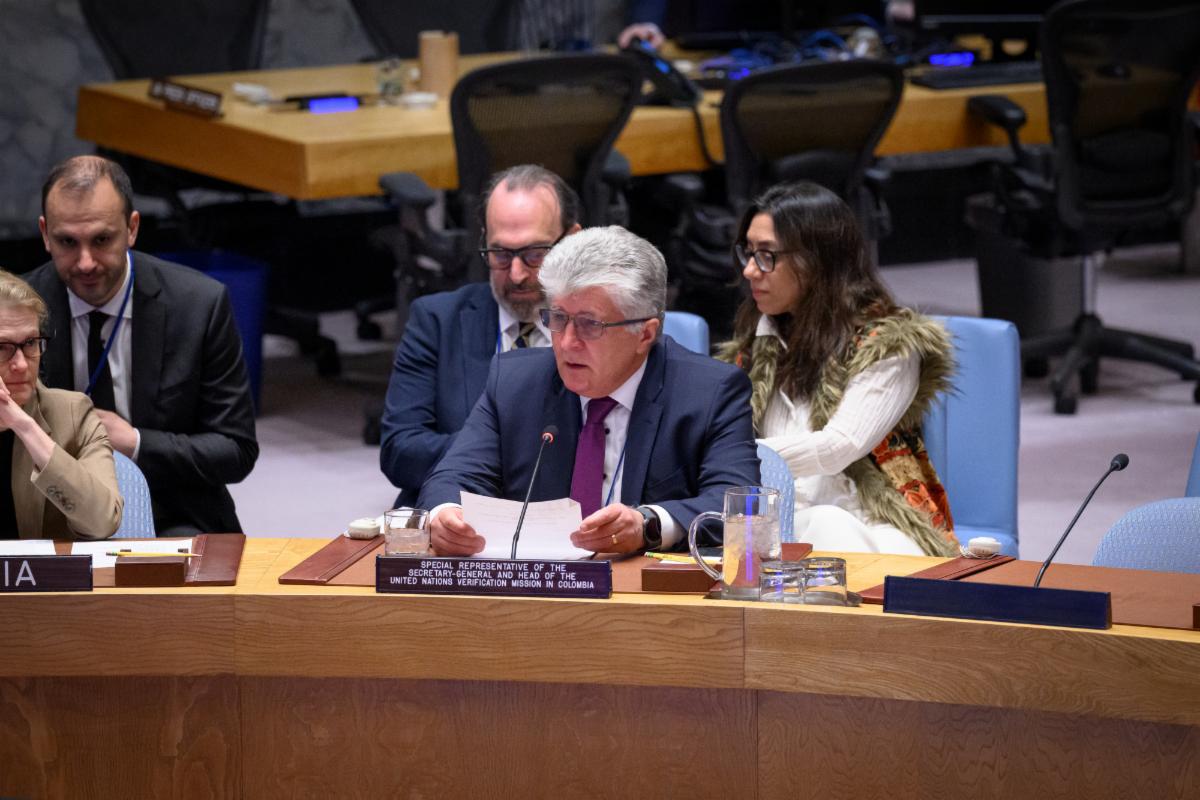
In his briefing to the Security Council on 21 April, Special Representative of the Secretary-General (SRSG) and Head of the United Nations Verification Mission in Colombia, Miroslav Jenča, highlighted that the largely peaceful and inclusive congressional elections held recently reflect Colombia’s positive evolution under the Peace Agreement, while stressing the need to ensure a safe and violence-free environment for the upcoming presidential vote. He underscored that progress in reintegration, security guarantees and comprehensive rural reform remains fundamental to consolidating peace and addressing the root causes of conflict. He warned, however, that violence in some regions, driven by illegal armed groups and illicit economies, continues to affect communities and risks undermining these gains. He emphasized that the comprehensive implementation of the Peace Agreement is essential to stabilizing conflict-affected areas and sustaining long-term peace.
SRSG Tetteh highlights stalled political progress and rising risks in Libya
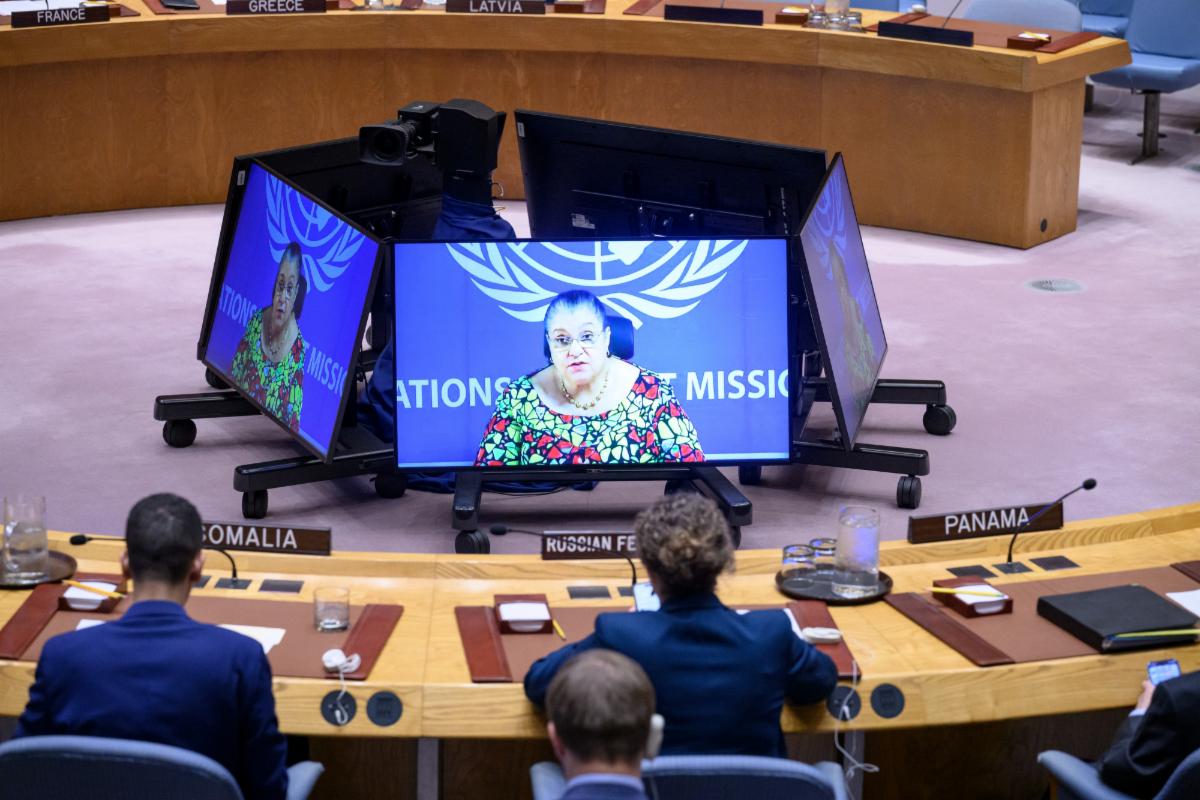
On 22 April, Hanna Tetteh, SRSG and Head of the United Nations Support Mission in Libya (UNSMIL), briefed the Security Council on the situation in Libya, noting that progress on the political roadmap remains limited. She reported that Libya’s economic situation is also deteriorating, with rising prices, fuel shortages and growing poverty, contributing to public frustration and increasing the risk of instability. “Libya has reached a significant political, economic, and security juncture,” she said, noting that SRSG Tetteh stressed that advancing the roadmap towards national elections and institutional reunification requires sustained political will and engagement by Libyan actors, with continued support from the international community.
Deputy Special Envoy Cordone highlights stabilization progress and ongoing challenges in Syria
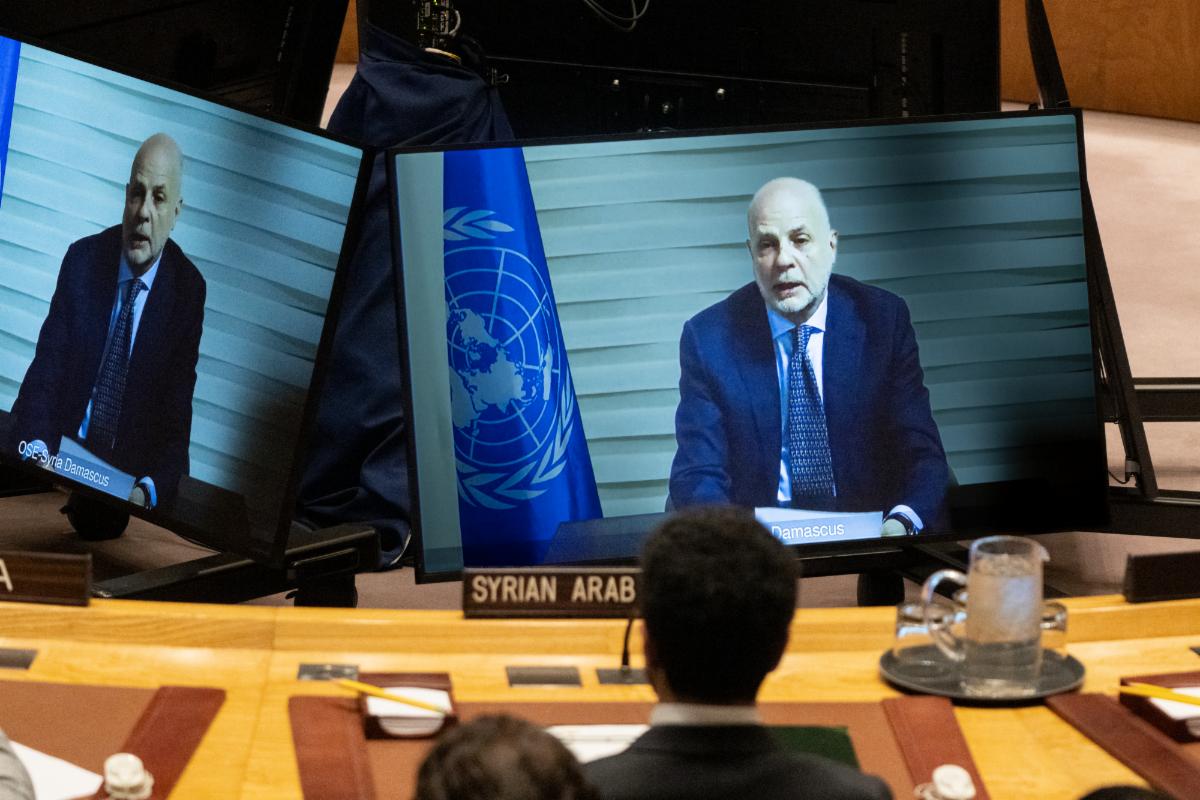
On 22 April, Claudio Cordone, Deputy Special Envoy of the Secretary-General (DSESG) for Syria, briefed the Security Council on the situation in Syria, noting progress on stabilization and efforts to insulate the country from regional crises, despite significant challenges. He stressed that economic, institutional and social pressures, as well as localized insecurity, continue to affect the political transition. While March recorded the lowest levels of direct conflict-related violence in 15 years, concerns remain over violations of sovereignty, socio-economic hardship and intercommunal tensions. DSESG Cordone underscored that sustained and coordinated international engagement is needed to support a Syrian-led political transition, with the United Nations continuing to work with national authorities and partners towards stability and recovery.
Deputy Special Envoy Cordone tackles support for the transition and violations of Syria's sovereignty
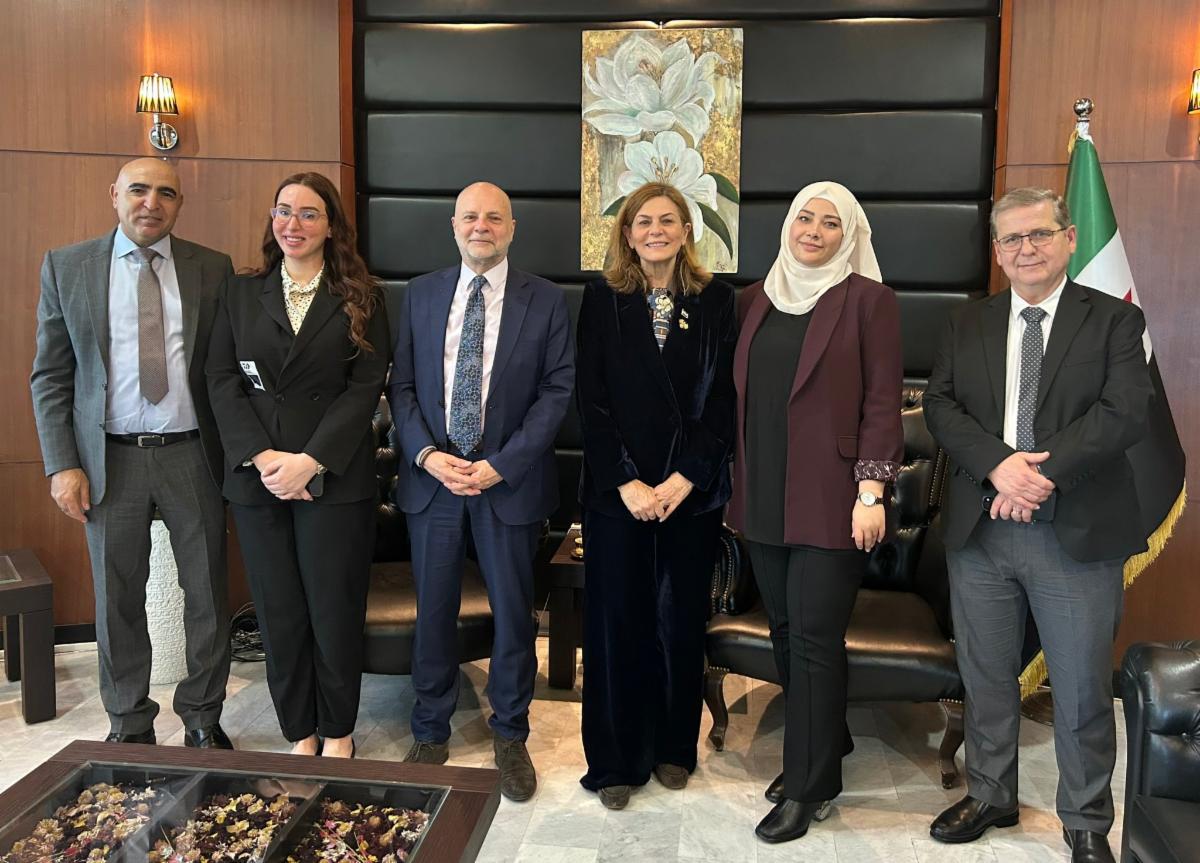
During a second visit to Syria this week, DSESG Cordone met the Ministers of Economy, Finance and Social Affairs, and a range of Syrian and international interlocutors. They discussed measures to support Syria’s transition and recovery, as well as the impact of sanctions-related overcompliance on the economy. With United Nations Disengagement Observer Force (UNDOF) facilitation, in Quneitra Governorate, Cordone met the relatives of some 50 Syrians detained by Israel, who expressed distress over the unknown fate and whereabouts of their family members. DSESG Cordone flagged these concerns to the Security Council on 22 April. He also called on Israel to adhere to the 1974 Disengagement of Forces Agreement.
SRSG Ruiz Massieu highlights progress and fragility in Haiti’s transition
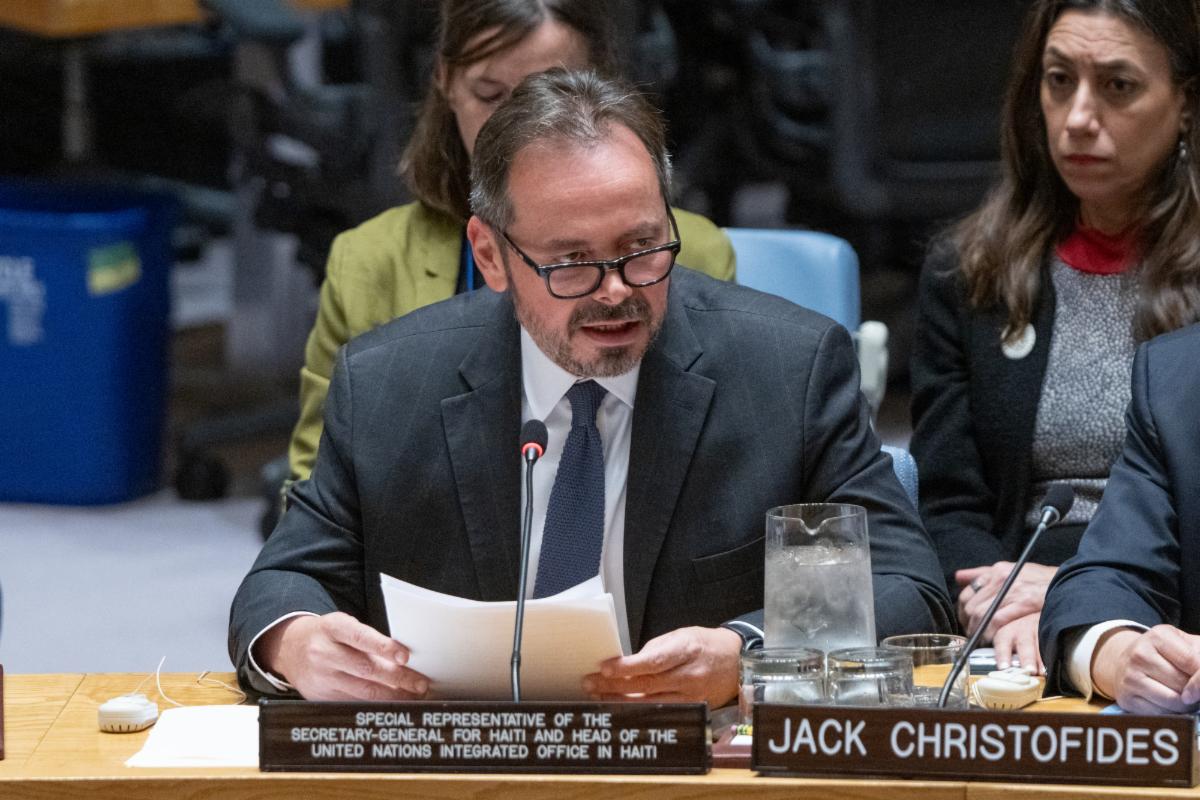
On 23 April in his briefing, Carlos Ruiz Massieu, SRSG and Head of the United Nations Integrated Office in Haiti (BINUH), noted that the country stands at a pivotal moment, with political and institutional progress laying the foundations for a credible path forward. He highlighted key steps, including the transfer of executive authority in February and the establishment of a broader Haitian-led political framework to guide the transition, while stressing that elections remain the only legitimate path back to constitutional order. At the same time, he warned that the context remains fragile, with persistent insecurity, growing displacement and humanitarian needs. He underscored that progress will be difficult to sustain without tangible improvements in security, stressing that the full and timely deployment of the multinational Gang Suppression Force is essential.
PBC holds an ambassadorial-level meeting with The Gambia
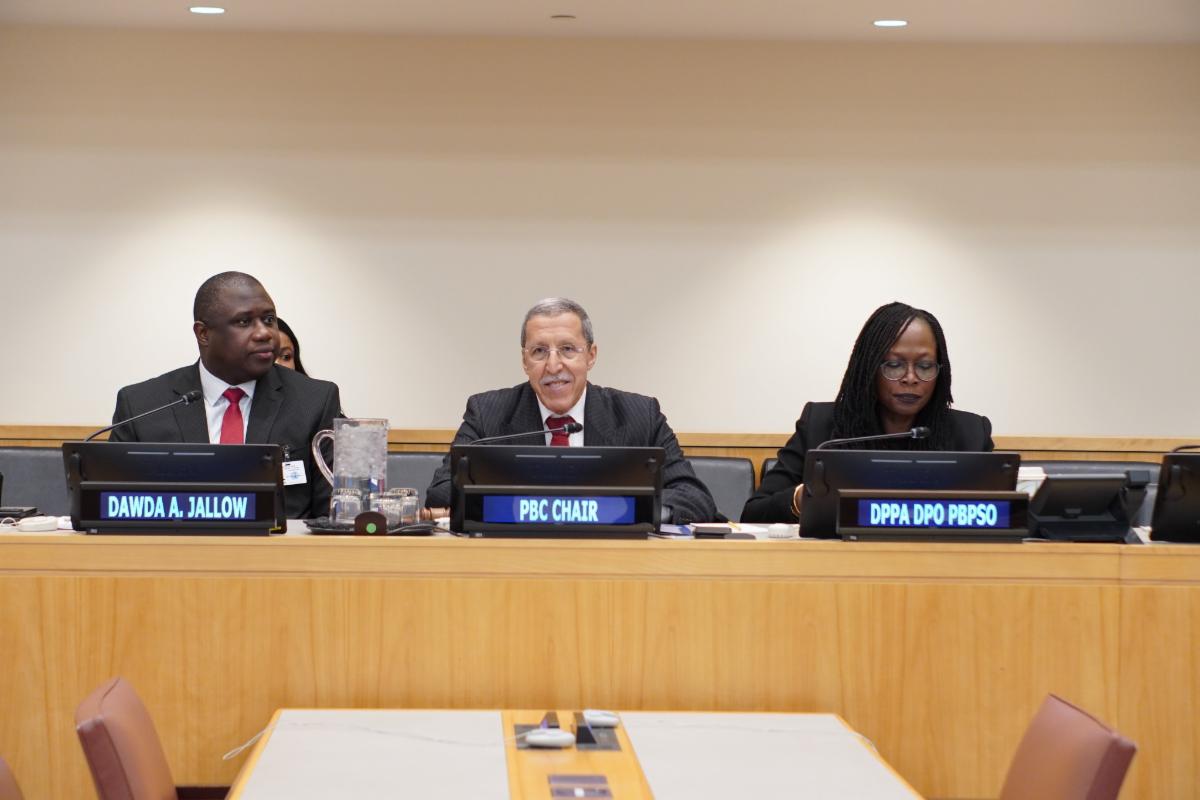
On 21 April, the Peacebuilding Commission (PBC) held an Ambassadorial-level meeting on The Gambia’s development of a National Strategy on Transitional Justice and Peacebuilding. The meeting featured briefings by Attorney General and Minister of Justice Dawda A. Jallow; UN Resident Coordinator Karl-Frédérick Paul; Director and Deputy Head of the Peacebuilding and Peace Support Office (PBPSO) Awa Dabo; and Chair of the National Human Rights Commission Emmanuel Joof. Discussions focused on The Gambia’s continued progress in advancing transitional justice since its democratic transition, including implementation of the Truth, Reconciliation and Reparations Commission (TRRC) recommendations, the appointment of a Special Prosecutor, progress on reparations, and the development of a national strategy to translate commitments into tangible outcomes for victims and communities. The Attorney General emphasized the importance of sustained political accompaniment, predictable financing and inclusive participation—particularly by women, youth, victims and civil society—in advancing accountability, reconciliation and guarantees of non-recurrence. Member States welcomed The Gambia’s nationally led efforts and underscored the importance of continued international support for the consolidation of peace and democratic governance.
PBC Bureau-World Bank Executive Directors Meeting
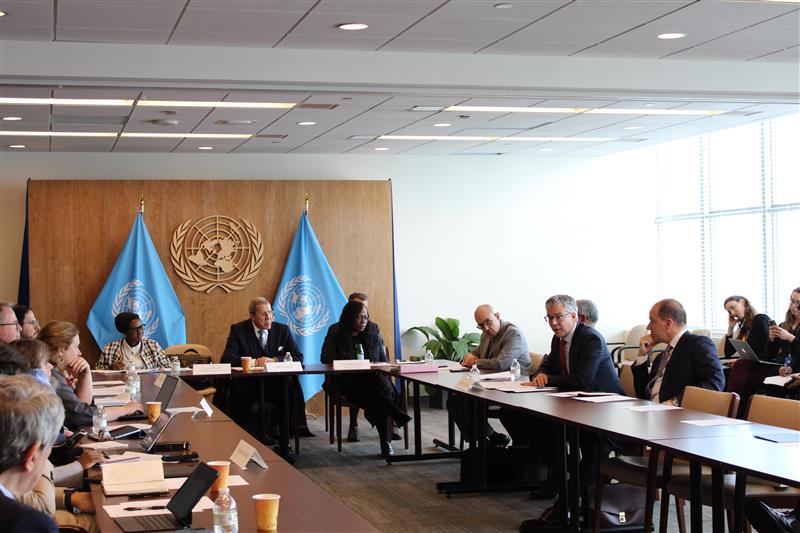
On 20 April, the PBC Chair and Vice Chairs met with the World Bank Executive Directors, led by Co-Dean of the Board of Executive Directors Zainab Ahmed, marking the latest in a series of high-level engagements aimed at strengthening UN-World Bank collaboration in fragile and conflict-affected settings. The discussion underscored the interdependent nature of peace and development, noting that sustainable development is unattainable in the absence of peace, while effective peacebuilding depends on long-term development investment. During her briefing, Director/Deputy Head of PBPSO Awa Dabo highlighted ongoing efforts to deepen UN-World Bank collaboration, including support to the Bank's Fragility, Conflict, and Violence (FCV) strategy refresh and strengthened country-level partnerships through the Resident Coordinator System. Both the PBC Bureau and Executive Directors reflected on the importance of more systematic country-level cooperation, including in support of nationally led prevention strategies. The experiences in the Central African Republic and Mauritania were used as good examples showcasing closer peacebuilding cooperation between the UN and the World Bank. The meeting also provided an opportunity to highlight the priorities set out in the Peacebuilding Architecture Review resolutions, and to encourage further World Bank engagement with the PBC, including during the upcoming Peacebuilding Week in June.
Special Coordinator Hennis-Plasschaert engages with Lebanese leaders on cessation of hostilities consolidation
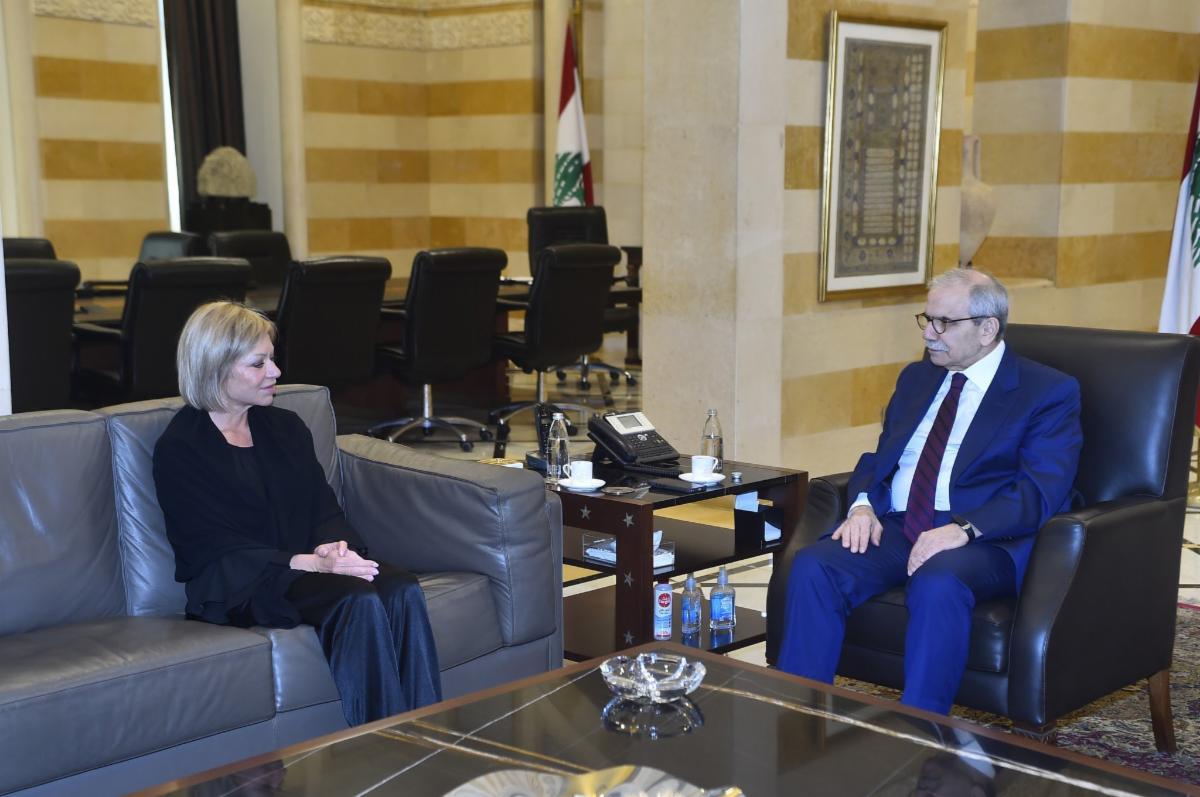
Special Coordinator of the Secretary-General for Lebanon Jeanine Hennis-Plasschaert this week discussed with Prime Minister Nawaf Salam ongoing efforts to consolidate the cessation of hostilities and advance stability in Lebanon. She also met with the Commander of the Lebanese Armed Forces Gen. Rodolph Haykal for discussions on ways to reinforce Lebanon’s stability and the need to mobilize additional support for the Lebanese army. With the Deputy Head of the Higher Shia Council, Sheikh Ali Al-Khatib, the Special Coordinator discussed the critical role of dialogue in safeguarding the country’s social cohesion and coexistence.
Peacebuilding Fund supports women’s access to justice in Liberia
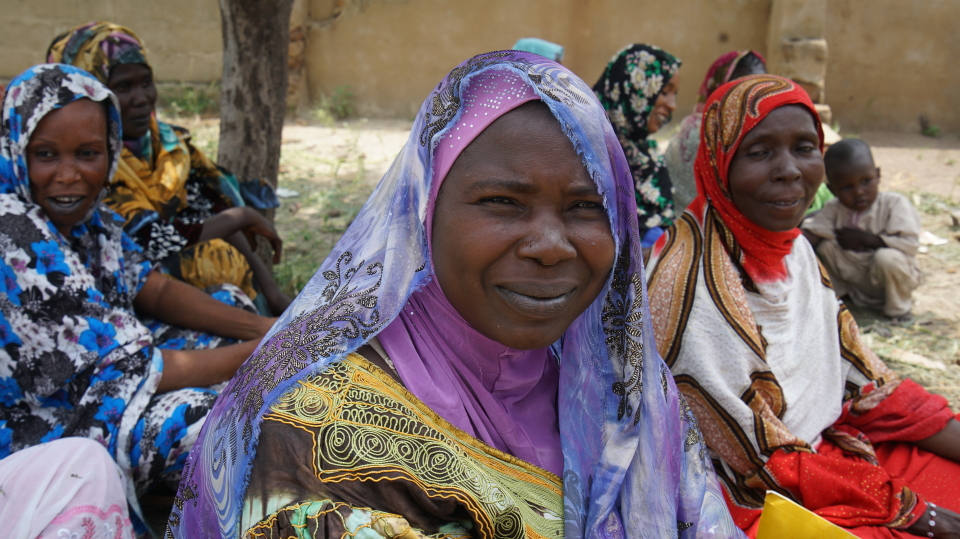
This week, the Secretary-General’s Peacebuilding Fund (PBF) has approved $3 million for a new initiative in Liberia to improve access to justice for women and girls, particularly in the context of transitional justice. Implemented by UN Women, Office of the United Nations High Commissioner for Human Rights, and Kvinna till Kvinna, the initiative will strengthen the capacity of women’s rights organizations to engage in national peacebuilding and justice processes, while enhancing cooperation among civil society, government and communities. It builds on Liberia’s efforts to address the legacy of conflict and promote inclusive and accountable institutions.
Special Representative Simão commends Togo’s commitment to regional stability
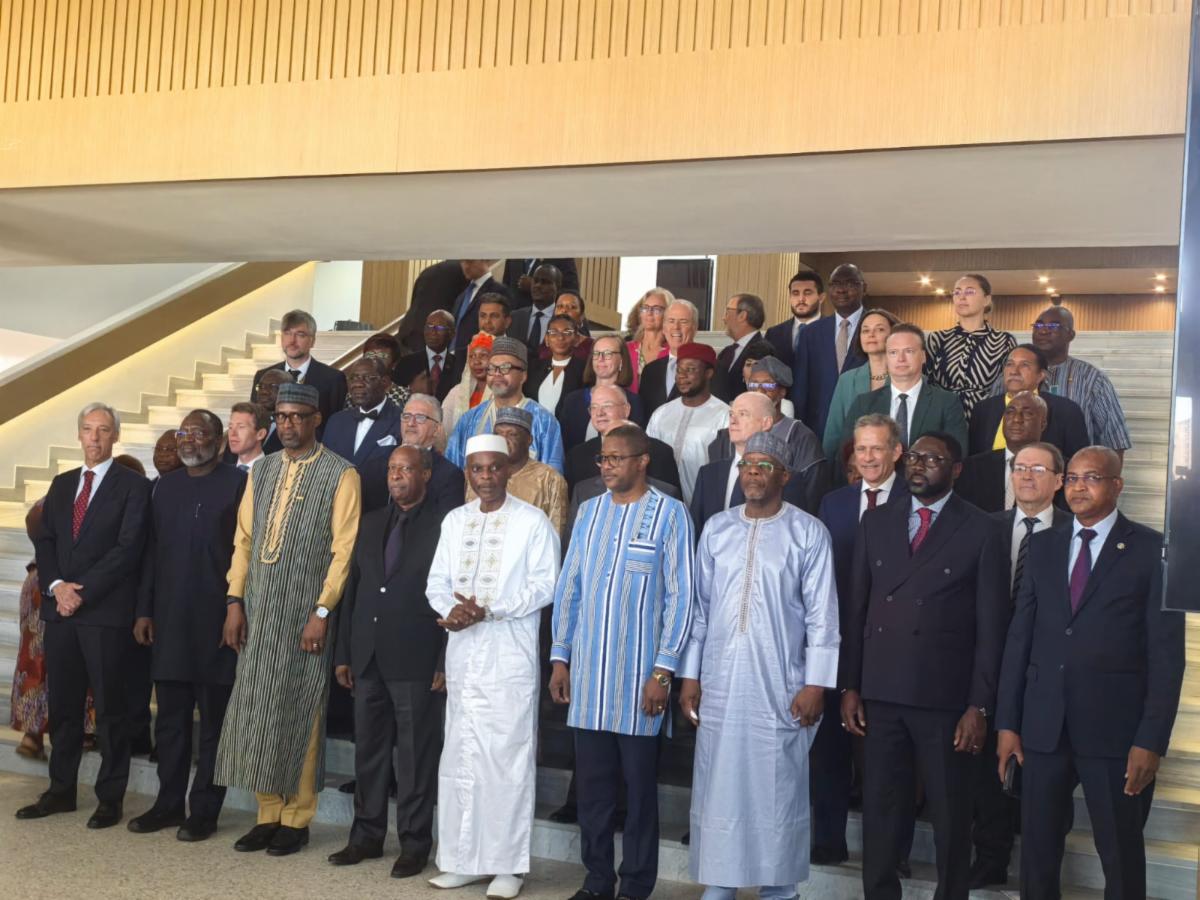
SRSG and Head of the United Nations Office for West Africa and the Sahel (UNOWAS) Leonardo Santos Simão concluded a working visit to Togo on 18 April. He met with President Faure Essozimna Gnassingbé and Foreign Minister Robert Dussey to discuss key regional priorities and strengthen UN-Togo cooperation. In Dapaong, he inaugurated a UN Common Office to enhance field presence and coordination. In Lomé, he participated in a high-level conference on Togo’s Sahel Strategy (2026–2028), welcoming it as a platform to foster dialogue and cooperation between the Sahel and Gulf of Guinea.
Joint mission supports progress on National Unity Agreement in Sierra Leone
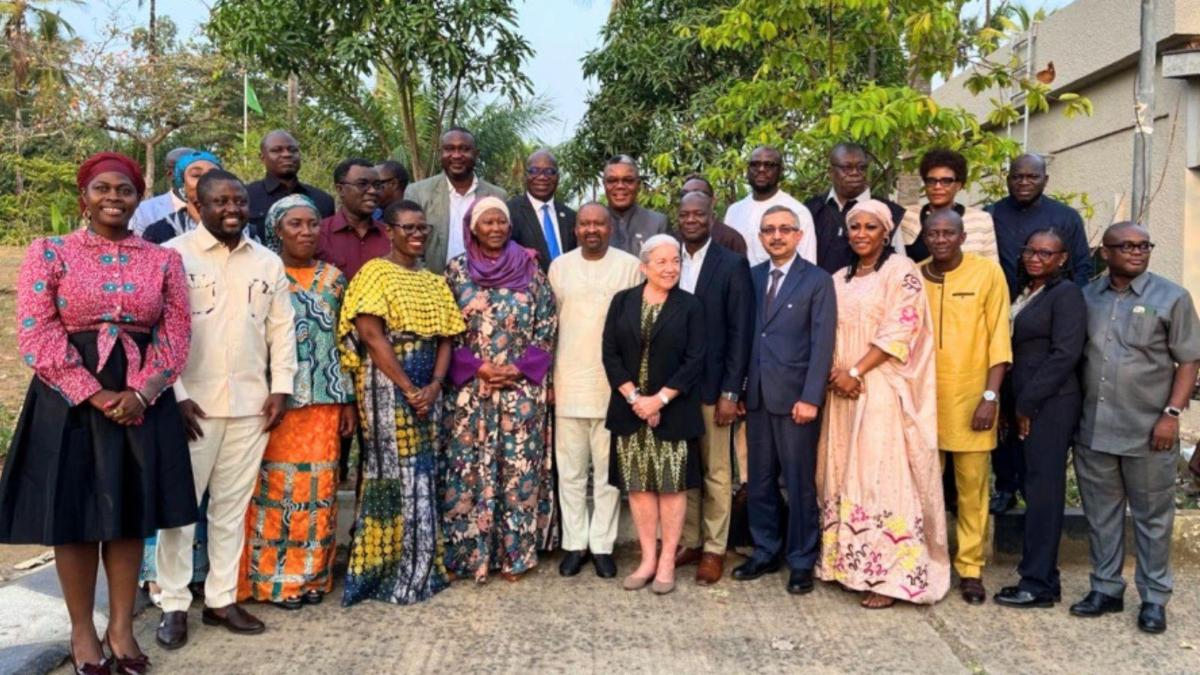
From 13 to 20 April, Barrie Freeman, Deputy Special Representative of the Secretary-General for West Africa and the Sahel, participated in the third joint assessment mission of the International Moral Guarantors to Sierra Leone, alongside Fatoumata Jallow-Tambajang (ECOWAS) and Tanmaya Lal (Commonwealth). The mission assessed the implementation of the 18 October 2023 Agreement for National Unity between the Government and the All People’s Congress (APC) and recorded progress in reviving dialogue and trust. Key outcomes include the restructuring of implementation mechanisms, the expansion of the Tripartite Committee and strengthened oversight to advance reforms ahead of the 2028 elections.
Special Envoy’s office convenes military coordination talks on Yemen
On 19 and 20 April, the Office of the Secretary-General’s Special Envoy for Yemen convened technical meetings in Amman within the framework of the Military Coordination Committee, bringing together key parties amid heightened regional tensions. Participants discussed Yemen’s fragile security situation and explored steps to reduce risks to civilians through de-escalation and sustained dialogue. The Office indicated plans to convene all Committee delegations in the coming period, as a potential step towards advancing military coordination efforts.
UNRCCA and UNOCT convene regional briefing on counter-terrorism early warning in Central Asia
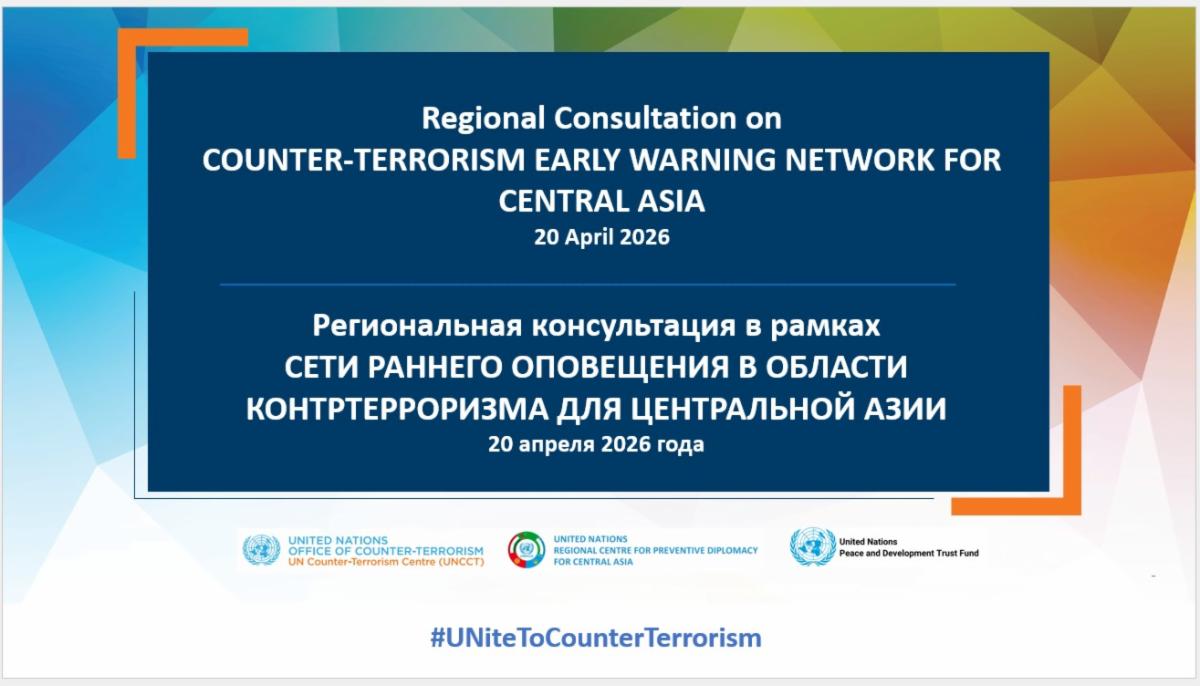
On 20 April, the United Nations Regional Centre for Preventive Diplomacy for Central Asia (UNRCCA) and the United Nations Office of Counter-Terrorism (UNOCT) held a regional consultation and briefing in Ashgabat on the Counter-Terrorism Early Warning Network for Central Asia. The hybrid event brought together government officials, think tank experts and civil society representatives from across the region. Participants shared updates on developments in Central Asia and Afghanistan, including security dynamics, humanitarian conditions, and political and socio-economic trends, as well as regional cooperation efforts.
SRSG Imnadze participates in Central Asia Women Leaders’ Caucus meeting
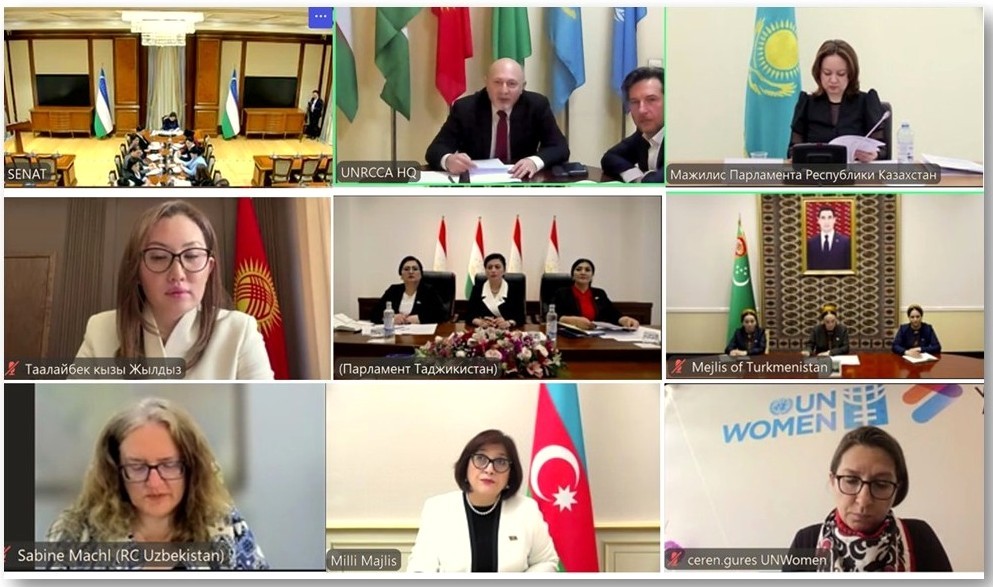
On 21 April, SRSG and Head of the UNRCCA Kaha Imnadze participated in the first meeting of the Central Asia Women Leaders’ Caucus under Uzbekistan’s 2026 chairpersonship. The online meeting, moderated by Tanzila Narbaeva, brought together participants from all Central Asian states. The meeting also marked the first participation of Azerbaijan, represented by Sahiba Gafarova, reflecting its growing role in regional cooperation. Participants reviewed progress over the past five years and identified priorities for the next phase, including Uzbekistan’s 2026 Plan of Action. In his remarks, Mr. Imnadze welcomed the start of Uzbekistan’s chairpersonship and encouraged continued prioritization of the Women, Peace and Security agenda, stronger regional advocacy for women and girls in Afghanistan, and closer linkages with broader regional integration and peacebuilding processes. The meeting marked a new phase for the Caucus, with a renewed focus on regional dialogue, policy coordination and joint action on gender equality and women’s leadership.
Youth dialogue in Cauca supports reconciliation and reintegration
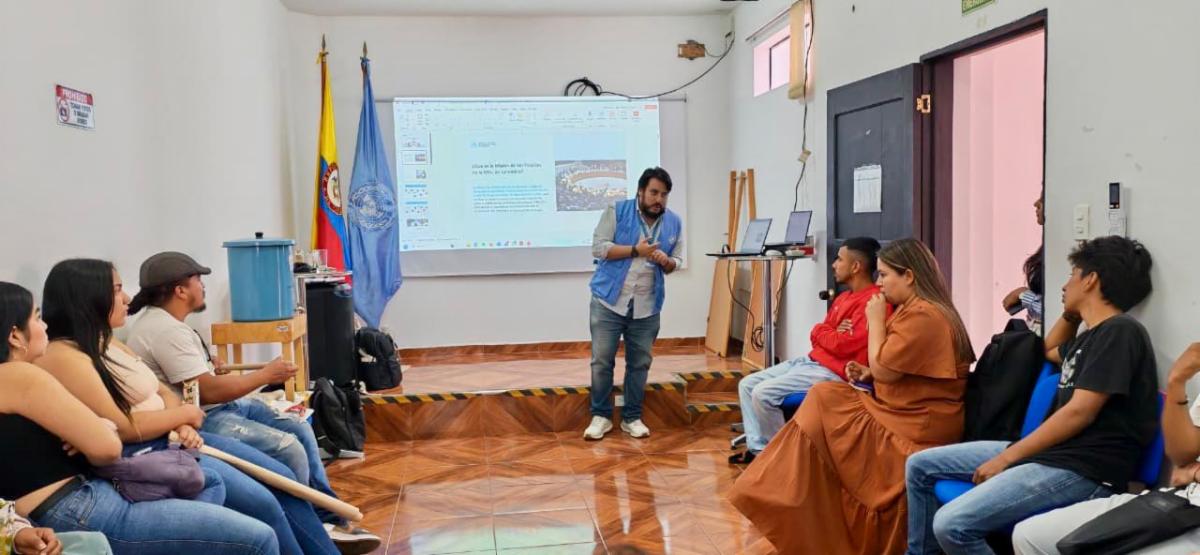
On 20 April, the Verification Mission and Colombia’s Agency for Reintegration and Normalisation engaged students from the Fundación Universitaria de Popayán in Cauca in a dialogue aimed at addressing stigma against former combatants and fostering informed discussion on the implementation of the Peace Agreement. Participants reflected on progress and persistent challenges, while a session tracing the origins of the Agreement and key milestones supported a deeper understanding of the process. The initiative contributes to building trust, countering stigma and strengthening youth engagement as a driver of sustainable peace.
Youth leadership initiative in Arauca strengthens local peacebuilding
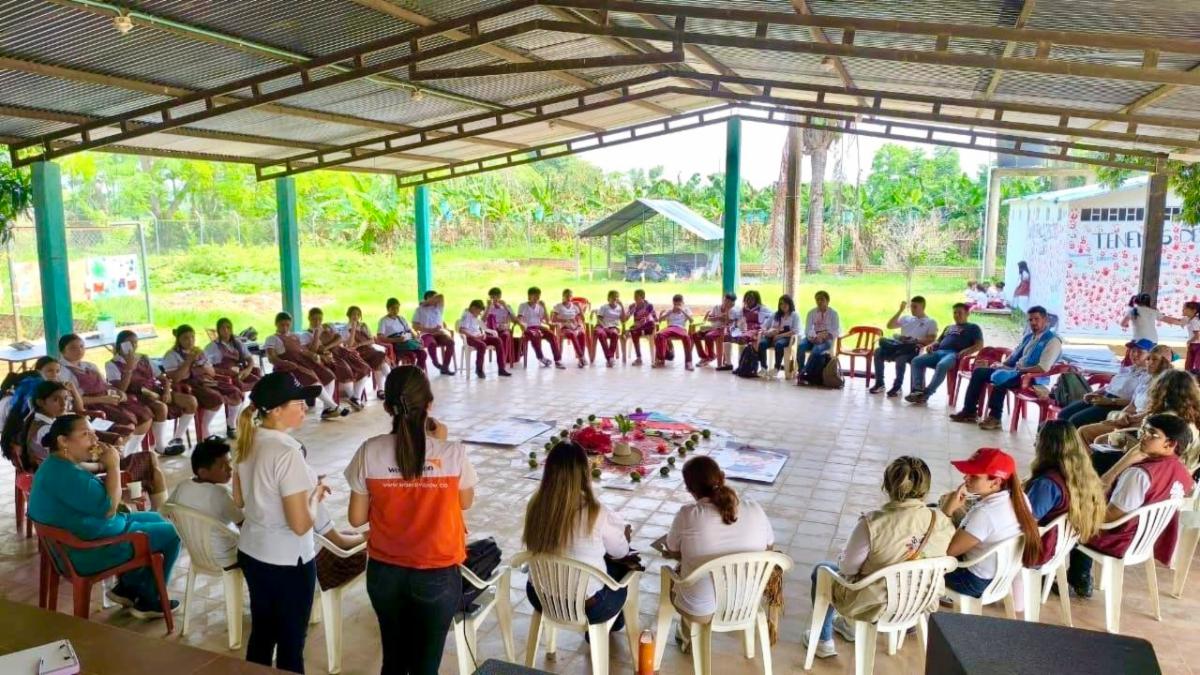
On 21 April, the Verification Mission supported a community gathering at the Filipinas Territorial Area for Training and Reintegration in Arauca, under the framework of the Agency for Reintegration and Normalisation’s Youth and Children Agenda. The meeting brought together former combatants, youth and community members to strengthen inclusive participation and local ownership of peacebuilding efforts. Through a participatory process, participants established a group to support the implementation of a new youth leadership strategy in the region. The initiative aims to foster emerging leadership, promote intergenerational dialogue and reinforce the role of youth as key actors in advancing sustainable reintegration and peace at the territorial level.
Peace Finance Forum advances efforts to mobilize investment for peace
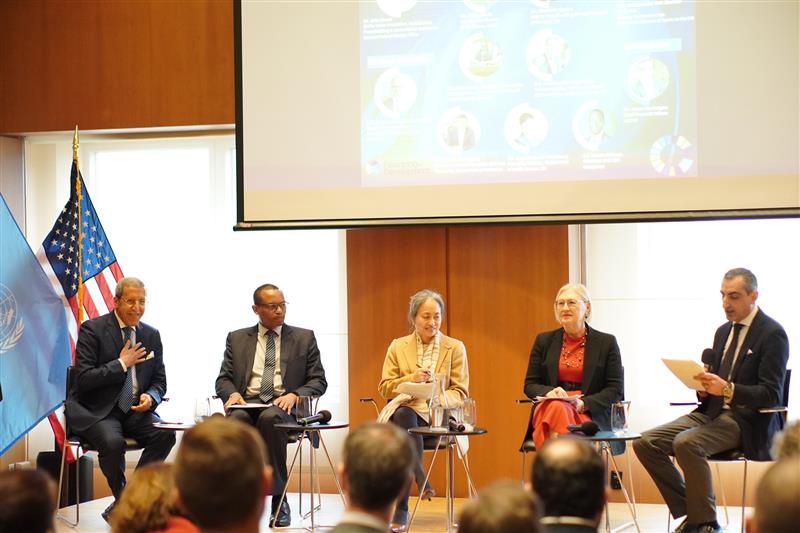
On 22–23 April, on the margins of the ECOSOC Forum on Financing for Development, the PBPSO co-organized the Peace Finance Forum: Building the Ecosystem for Sustainable Impact, with support from Germany, Japan and Norway. The Forum brought together financing institutions, policymakers, peacebuilders, corporate actors and philanthropic investors to advance peace-positive financing. On 22 April, an official FfD side event, From Fragility to Investability: Financing Peace Economies, featured remarks by ASG for Peacebuilding and Peace Support Elizabeth Spehar, alongside representatives from the German Federal Foreign Office, as well as Ambassadors from Mozambique, Morocco and Spain, and partners including Interpeace, Citibank, the African Development Bank and the World Bank Group. The second day included six technical workshops on peace finance, with participation from partners such as UNCDF, UNDP, IOM, Peace Direct, Convergence, NYU CIC and Interpeace.
Peacebuilding Fund workshop explores pathways for peace-positive private sector engagement
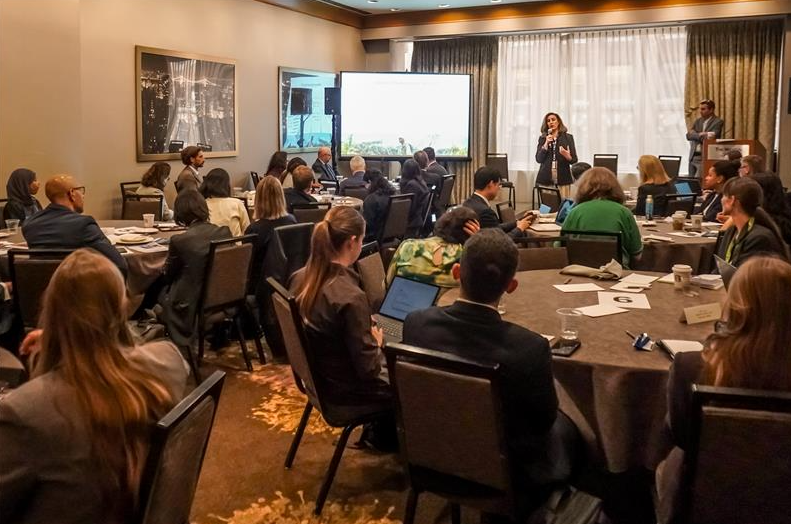
As an official side event to the Financing for Development Forum, the PBF convened a workshop on advancing peace-positive private sector engagement in fragile and conflict-affected settings. The session brought together around 60 participants from Member States, the private sector, civil society and UN entities. It featured an introduction to the Peacebuilding Fund by its Chief, Brian Williams, followed by examples from Colombia, Libya and the Democratic Republic of the Congo, as well as an interactive discussion. Key takeaways included the need for a clear, shared definition of peace-positive private sector programming and the importance of stronger alignment across financing actors—including international financial institutions, multilateral development banks and the private sector—to help sustain and scale impact.
New UN podcast explores links between climate, crisis and peace
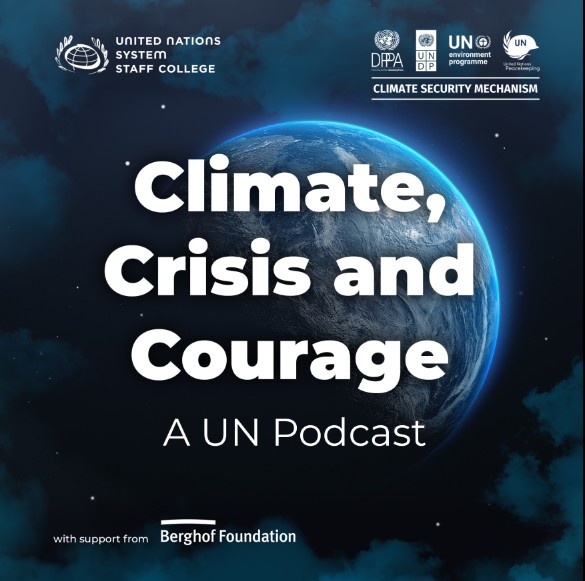
The Climate Security Mechanism (CSM) and the United Nations System Staff College (UNSSC) have launched a new podcast series 'Climate, Crisis and Courage - A UN Podcast' with the support of the Berghof Foundation. As a founding member of the CSM, DPPA continues to integrate climate risk into its core prevention, peacemaking and peacebuilding work. The series explores how climate impacts are shaping peace and security, bringing together perspectives from affected communities and insights on how the UN and its partners can better address climate-related risks. The first episode was released this week, with additional episodes to follow. See also the updated timeline, Building peace in a changing climate, tracing key milestones in UN engagement on climate, peace and security since 2007.
Next Week
Next week, the Security Council will discuss maritime security on 27 April. On 28 April, members will meet on the situation in the Middle East.


